Neuroscience of Burnout
- Role
Learning Experience Designer, Developer, Web Designer, Animator
- Duration
4 weeks / Completed 2025
- Tools
Articulate Rise 360, Adobe Photoshop, Illustrator, Gemini, NotebookLM, ChatGPT, Synthesia, Vyond
Motion Defines Hierarchy
No items found.
Hero Choreography
Album Card Motion System
No items found.
System at rest

Contextual Depth & Focus Priority
No items found.
predictive path & system awareness
No items found.
Motion System Breakdown
No items found.
Reel


.jpg)




1
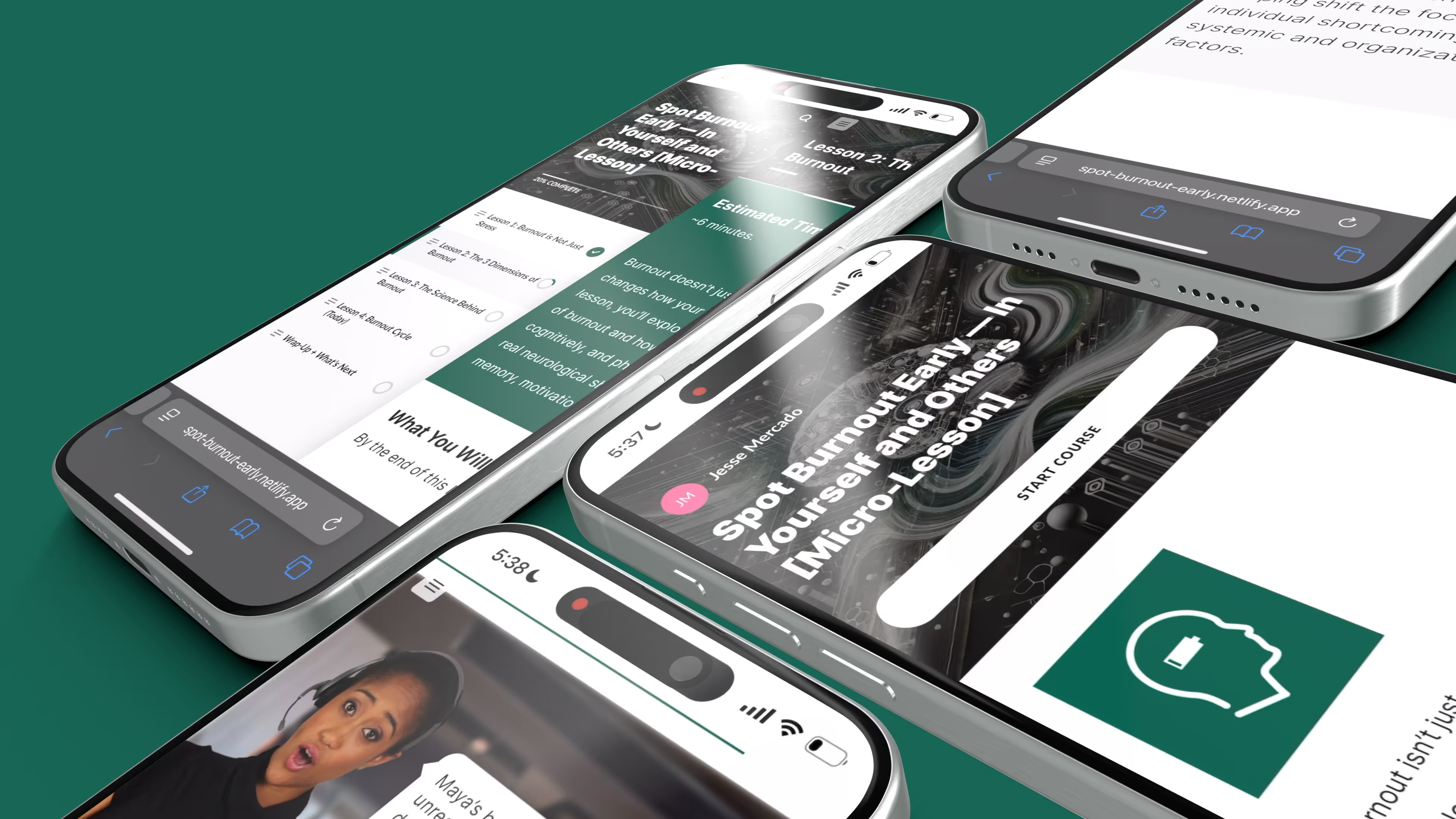
Build Overview


2
Creative Rationale
Goal
By Q3 FY25, launch a neuroscience-based burnout module within the KF Learn ecosystem that:
- Utilizes 3+ modalities (eLearning, video, facilitation)
- Boosts learner satisfaction by 20% over legacy content
- Improves knowledge retention and application by 15%
- Supports use cases like onboarding, manager enablement, and employee wellness
Process
- Designed five micro-courses (30 min max each) from in-depth research
- Structured each module around practical behavior change outcomes
- Used Gemini & ChatGPT for agile content drafting and scientific validation
- Collaborated with science advisor (Amelia) to uphold research fidelity
- Built accessibility directly into Rise 360: alt text, visual clarity, and plain language
Key Highlights
Detailed Insights
Deep Dives
Learning Science
Grounded in adult learning theory and neuroscience:
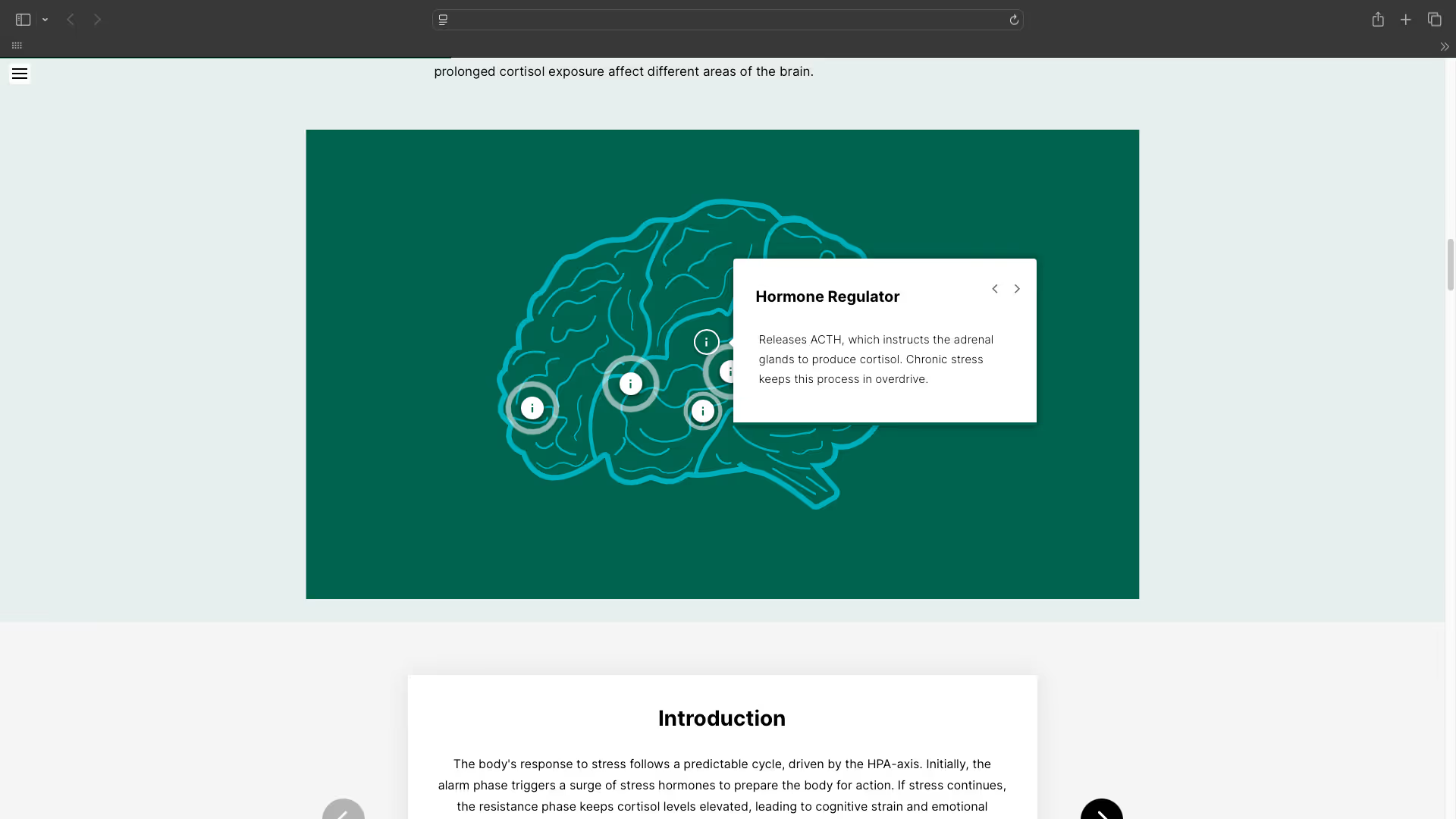
- Neuroplasticity & BDNF: Shows recovery potential and brain adaptability
- Allostatic Load Theory: Explains cumulative stress effects on cognition
- Cognitive Load Theory: Used in content chunking and visual simplicity
- Self-Determination Theory: Autonomy and meaning drive engagement and reflection
2
Creative Rationale
Goal
Challenges
Process
Impact and Results
Measurable Outcomes
Takeaways
1
The brief
Goal
By Q3 FY25, launch a neuroscience-based burnout module within the KF Learn ecosystem that:
- Utilizes 3+ modalities (eLearning, video, facilitation)
- Boosts learner satisfaction by 20% over legacy content
- Improves knowledge retention and application by 15%
- Supports use cases like onboarding, manager enablement, and employee wellness
Challenges
- Condensing complex neuroscience into digestible 30-minute segments
- Navigating inconsistent AI tool policies during production
- Balancing scientific rigor with localization, cost, and format constraints
Learning Objectives
By the end of the module, learners will be able to:
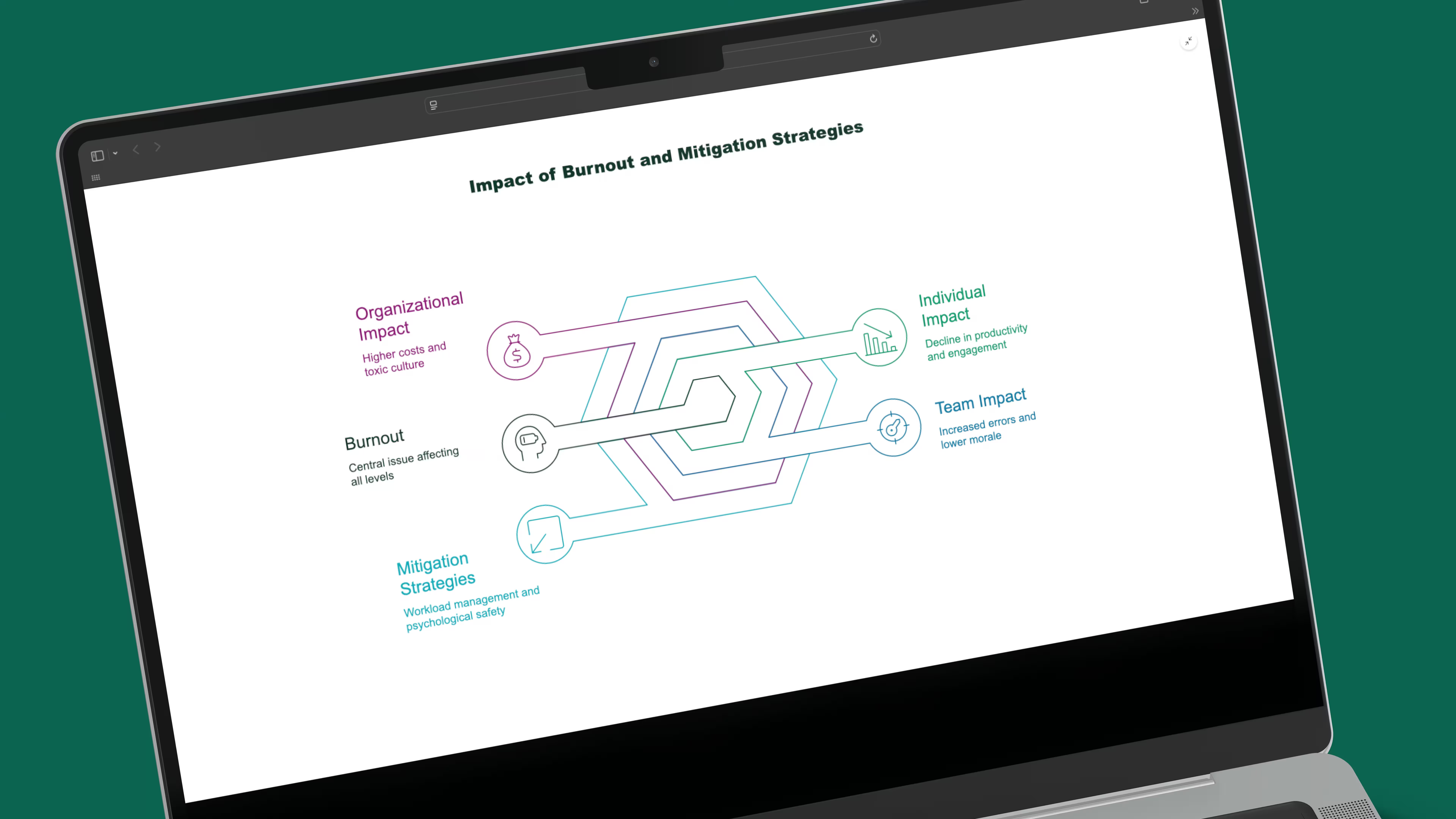
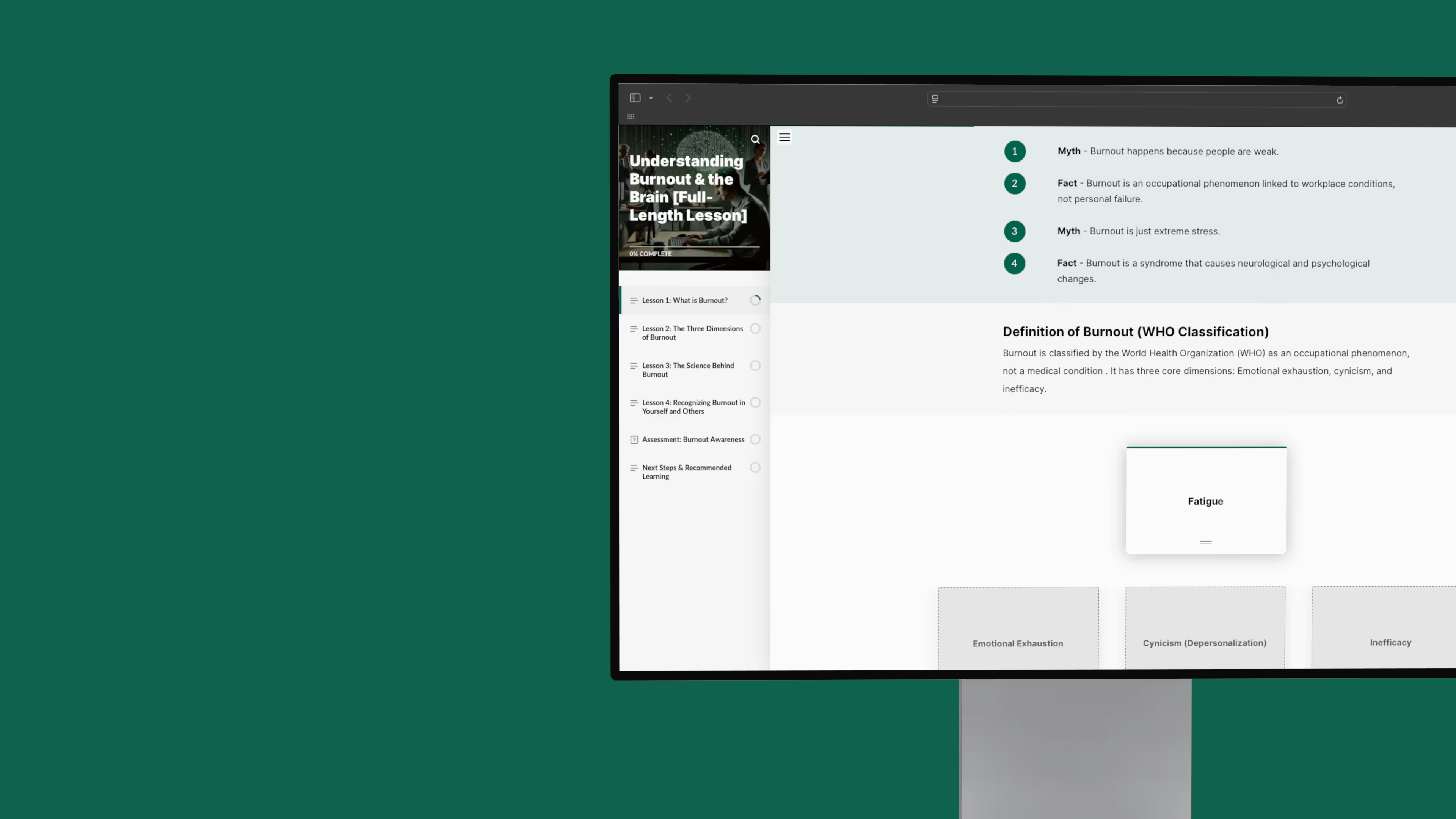
- Identify the three core dimensions of burnout: emotional exhaustion, cynicism, and inefficacy
- Describe how burnout affects brain function and cognitive performance
- Apply neuroscience-informed strategies to reduce burnout personally and within teams
Learning Science
Grounded in adult learning theory and neuroscience:
- Neuroplasticity & BDNF: Shows recovery potential and brain adaptability
- Allostatic Load Theory: Explains cumulative stress effects on cognition
- Cognitive Load Theory: Used in content chunking and visual simplicity
- Self-Determination Theory: Autonomy and meaning drive engagement and reflection
Learning Methodolgy
A blended approach including:
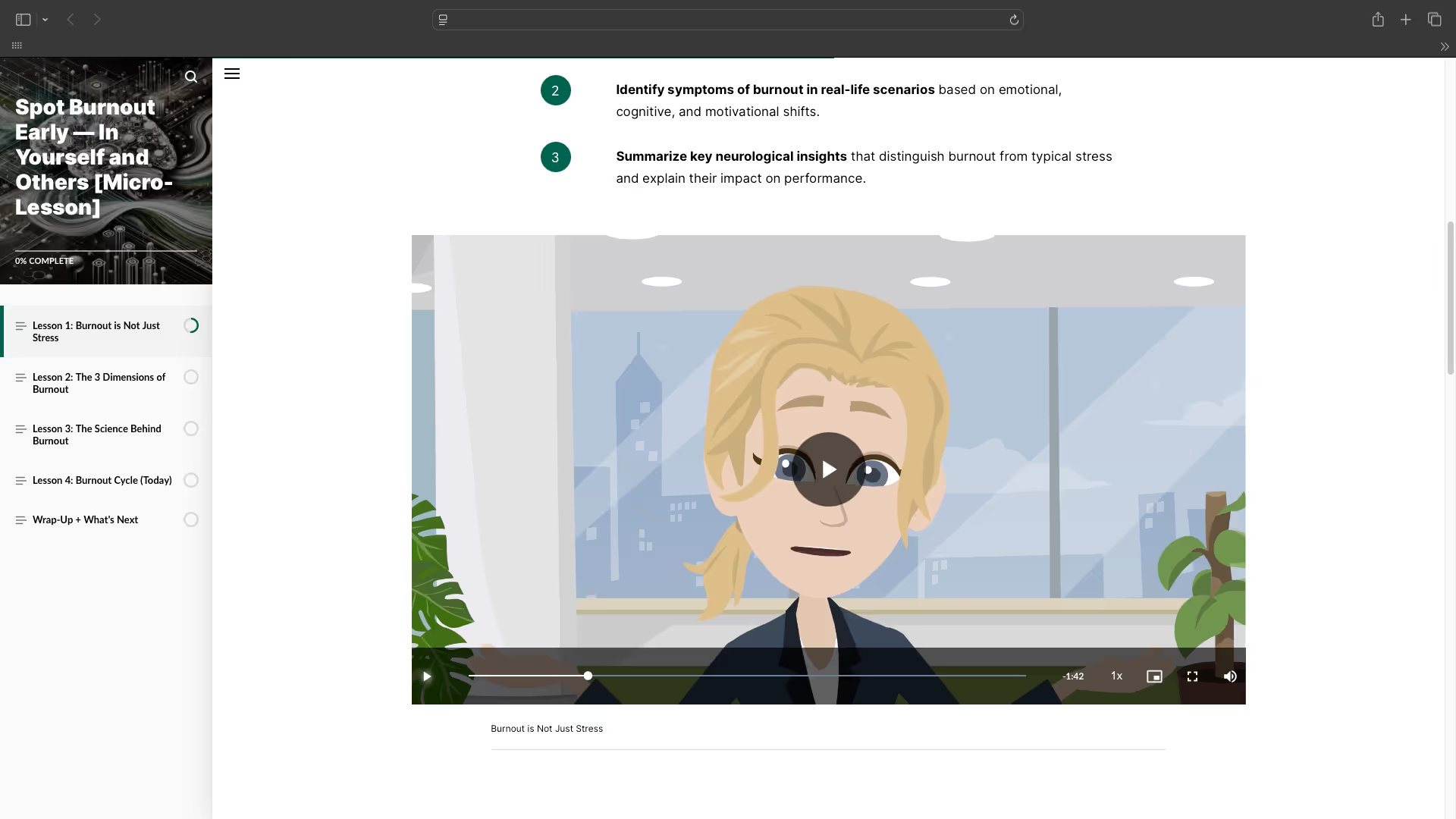
- Microlearning videos: Live-action and animated explainers
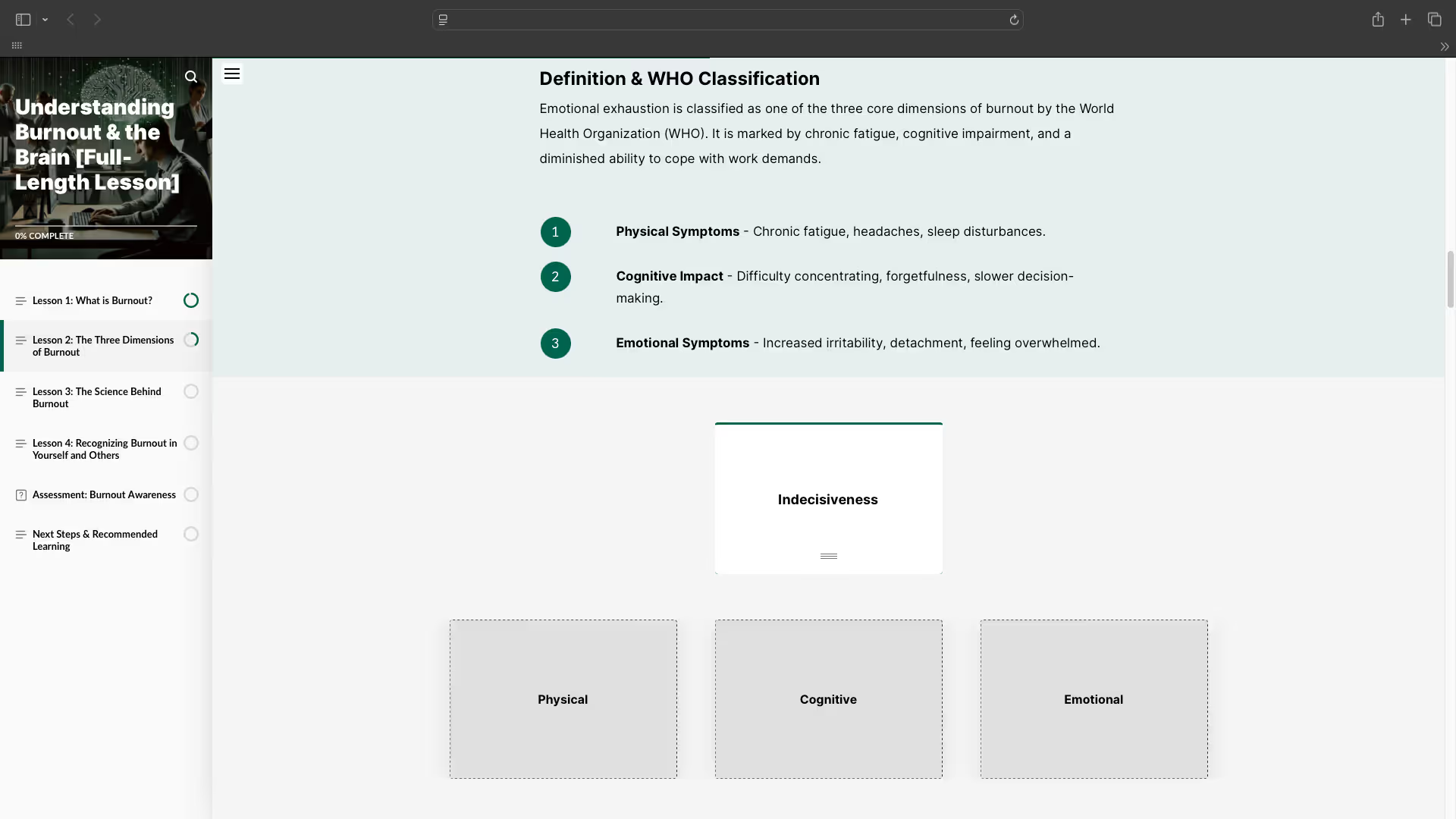
- Scenario-based eLearning: Interactive branching tasks for decision-making
- Classroom sessions: Group reflections and role-play
- Facilitator & participant guides: For synchronous and async use
Reinforced with real-time polls, peer discussions, and behavior modeling.
Process
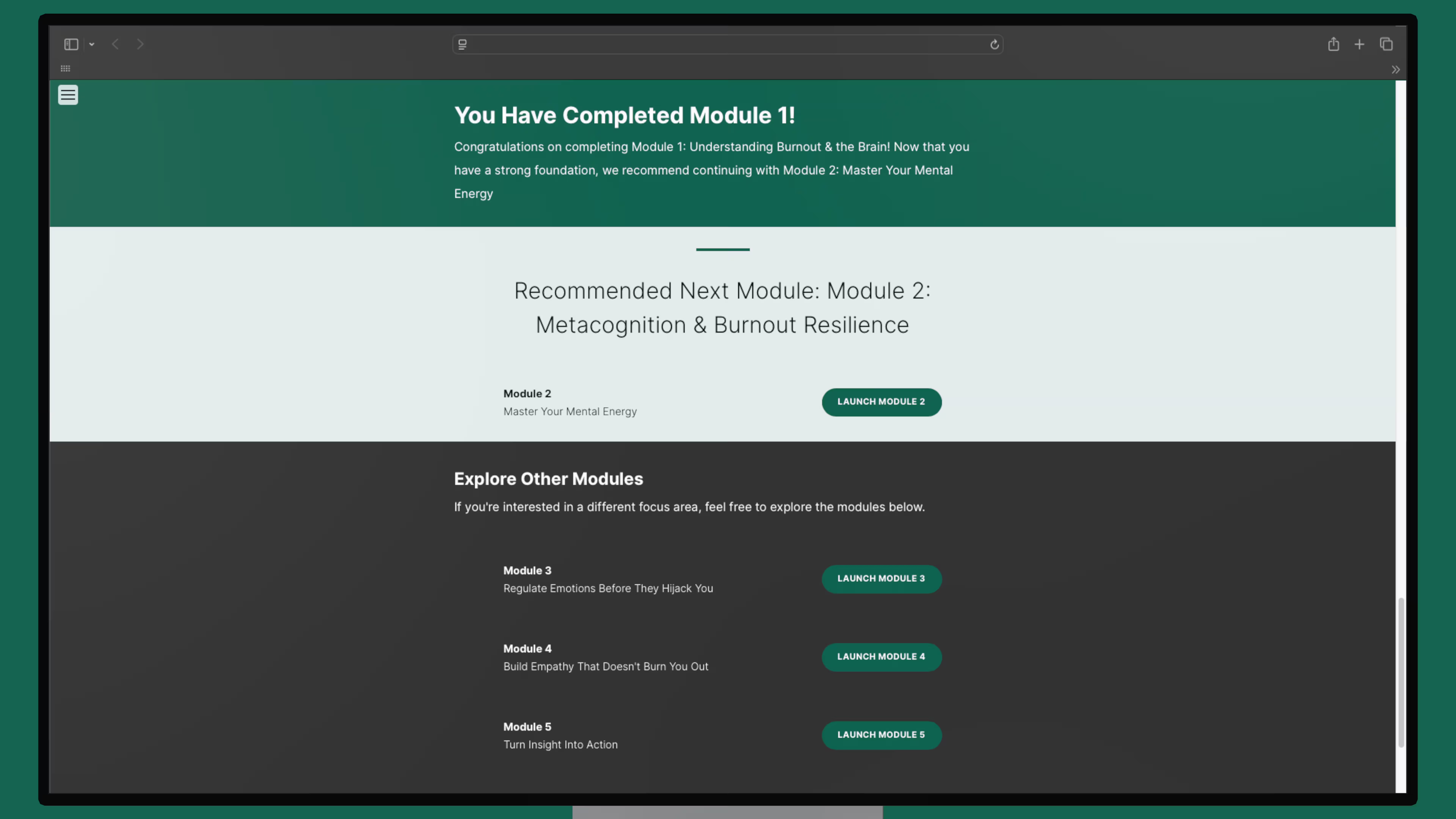
- Designed five micro-courses (30 min max each) from in-depth research
- Structured each module around practical behavior change outcomes
- Used Gemini & ChatGPT for agile content drafting and scientific validation
- Collaborated with science advisor (Amelia) to uphold research fidelity
- Built accessibility directly into Rise 360: alt text, visual clarity, and plain language
Impact and Results
- Legacy 60–90 minute content compressed into modern, micro-based curriculum
- Design system created for future neuroscience topics (e.g., metacognition)
- Modules now ready for LMS plug-in (Workday, SAP) and global deployment
- Internal stakeholders report accelerated review cycles and reduced production costs
Measurable Outcomes
- External learner metrics (satisfaction, retention) to be captured post-launch
- Internal success: faster build time, increased stakeholder buy-in, scalable framework
Takeaways
- Strategic collaboration with science advisors ensures you can simplify without dumbing down
- Modular, behavior-first content supports both enterprise scale and individual transformation
- Instructional design that respects scientific complexity can still meet aggressive business constraints
Accessibility & inclusion
- Rise 360 accessibility features fully implemented
- Plain language, short sentence structures, and high-contrast design
- Visual design aligns with dual coding theory for improved retention
- Inclusive tone and examples embedded across learning touchpoints