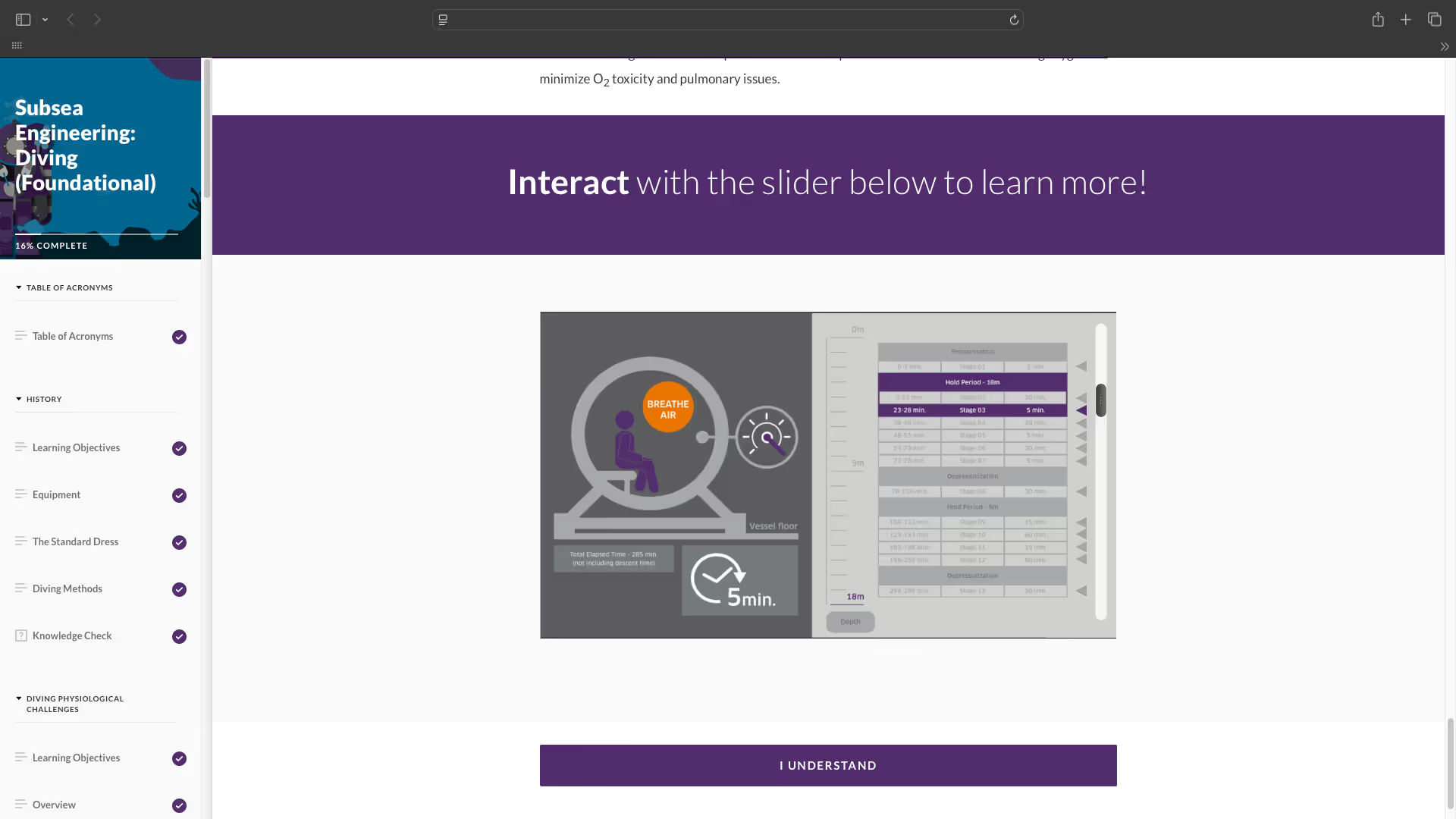
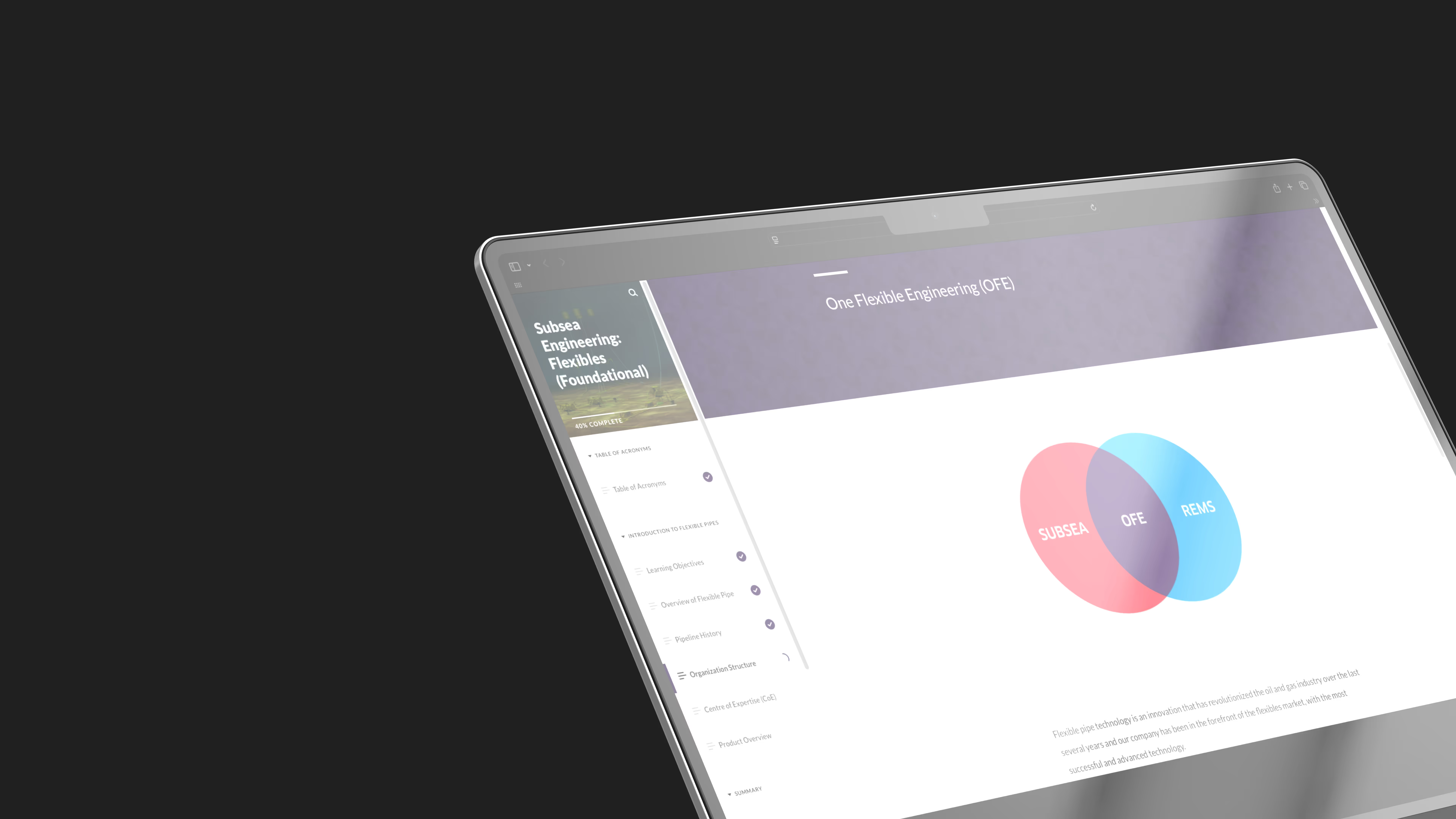
Subsea Diving
- Role
Developer, UX/UI Designer, Web Designer, Learning Experience Designer
- Duration
8 weeks / Completed 2021
- Tools
Articulate Storyline, Adobe Photoshop, Illustrator, Dreamweaver, ActionScript, JavaScript

Motion Defines Hierarchy
Hero Choreography
Album Card Motion System
System at rest
Contextual Depth & Focus Priority
predictive path & system awareness
Motion System Breakdown
Reel


.jpg)




1
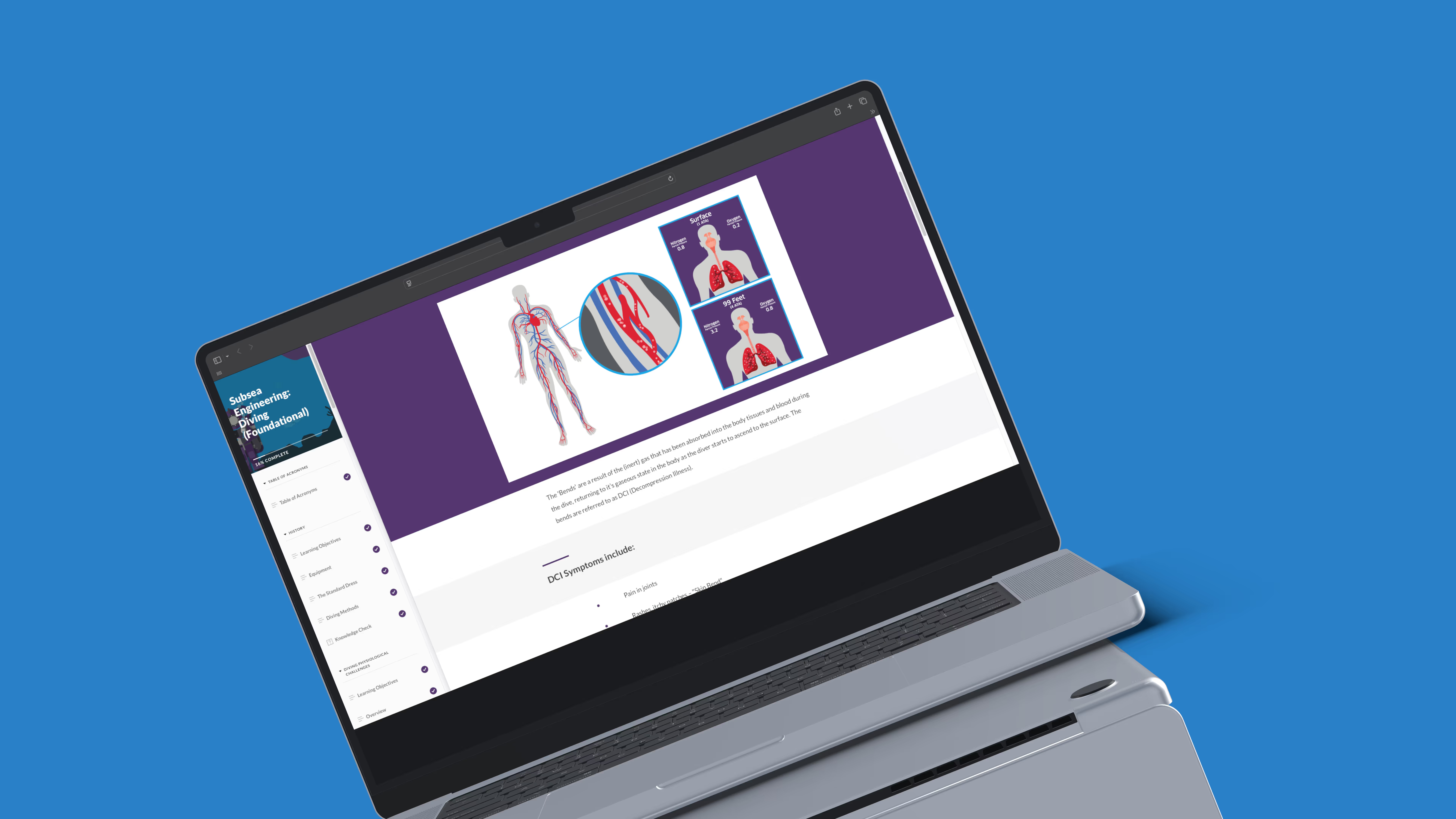
Build Overview
2
Creative Rationale
Goal
Successfully launch an engaging and comprehensive foundational course on subsea diving within 8 weeks that achieves a learner engagement rate of over 85%. Ensure the course enhances learners' understanding of diving history and technology with at least 90% passing scores on post-course assessments.
Process
- Initiated with detailed research to gather content on the history and technology of diving.
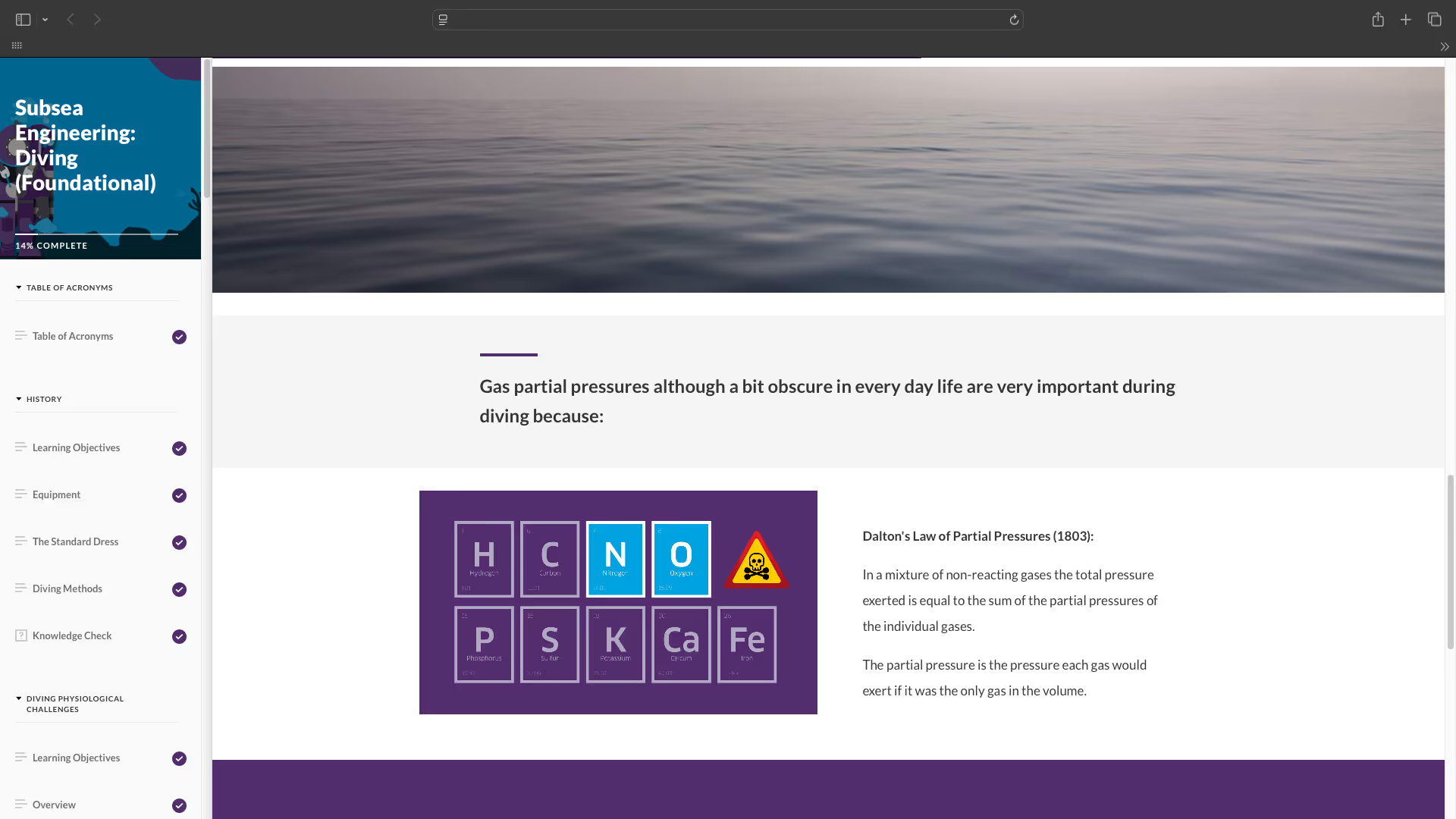
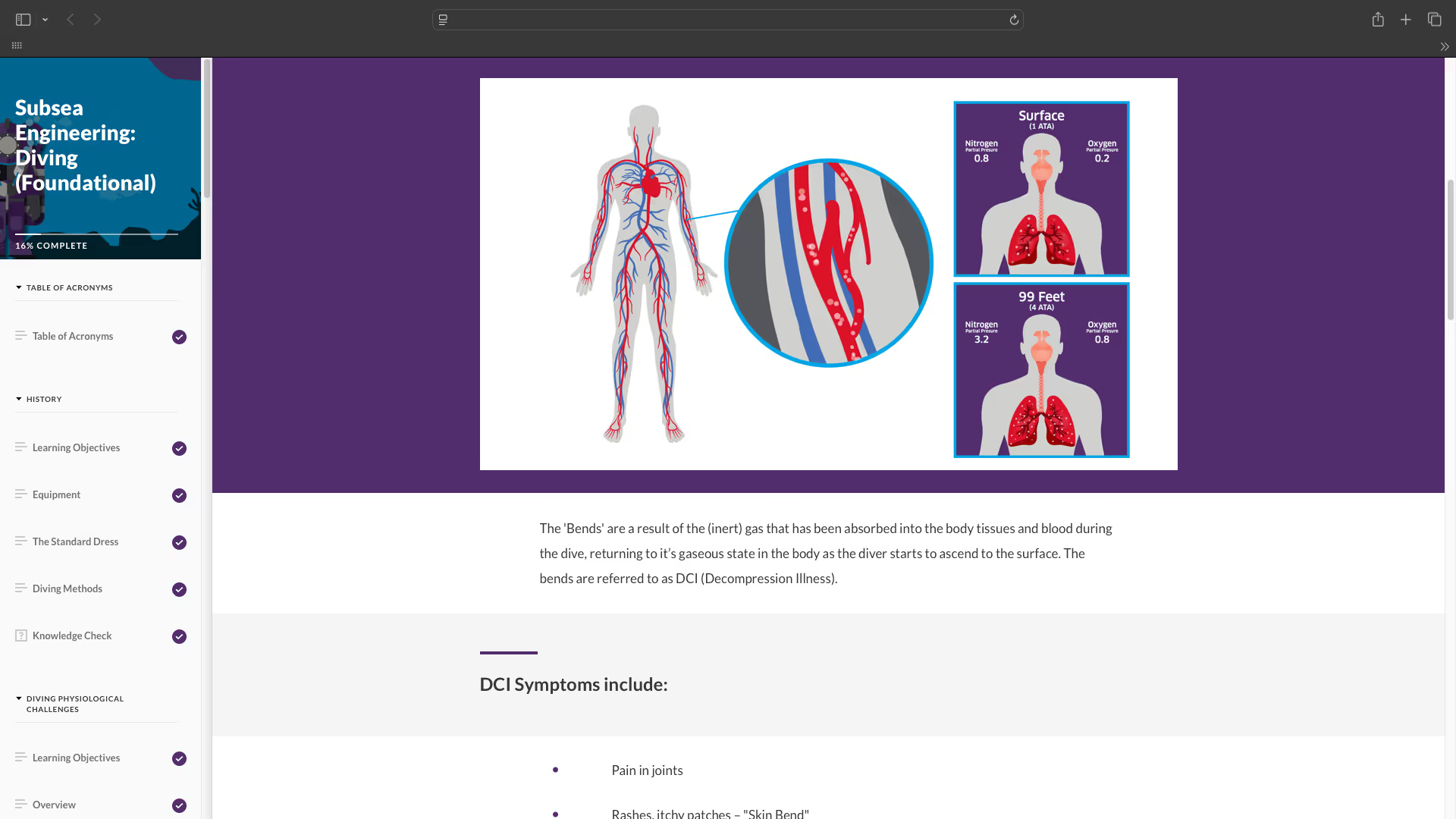
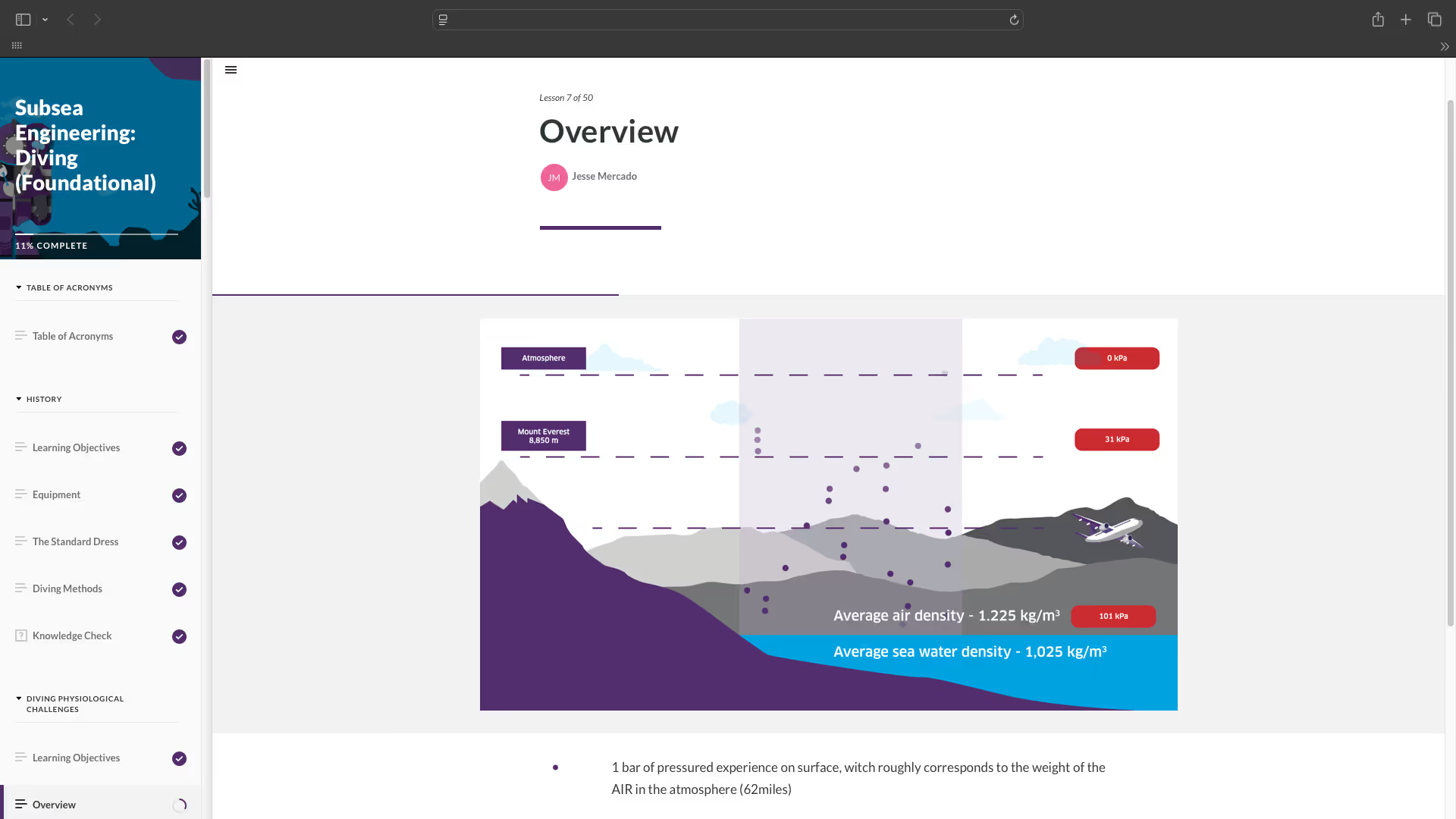
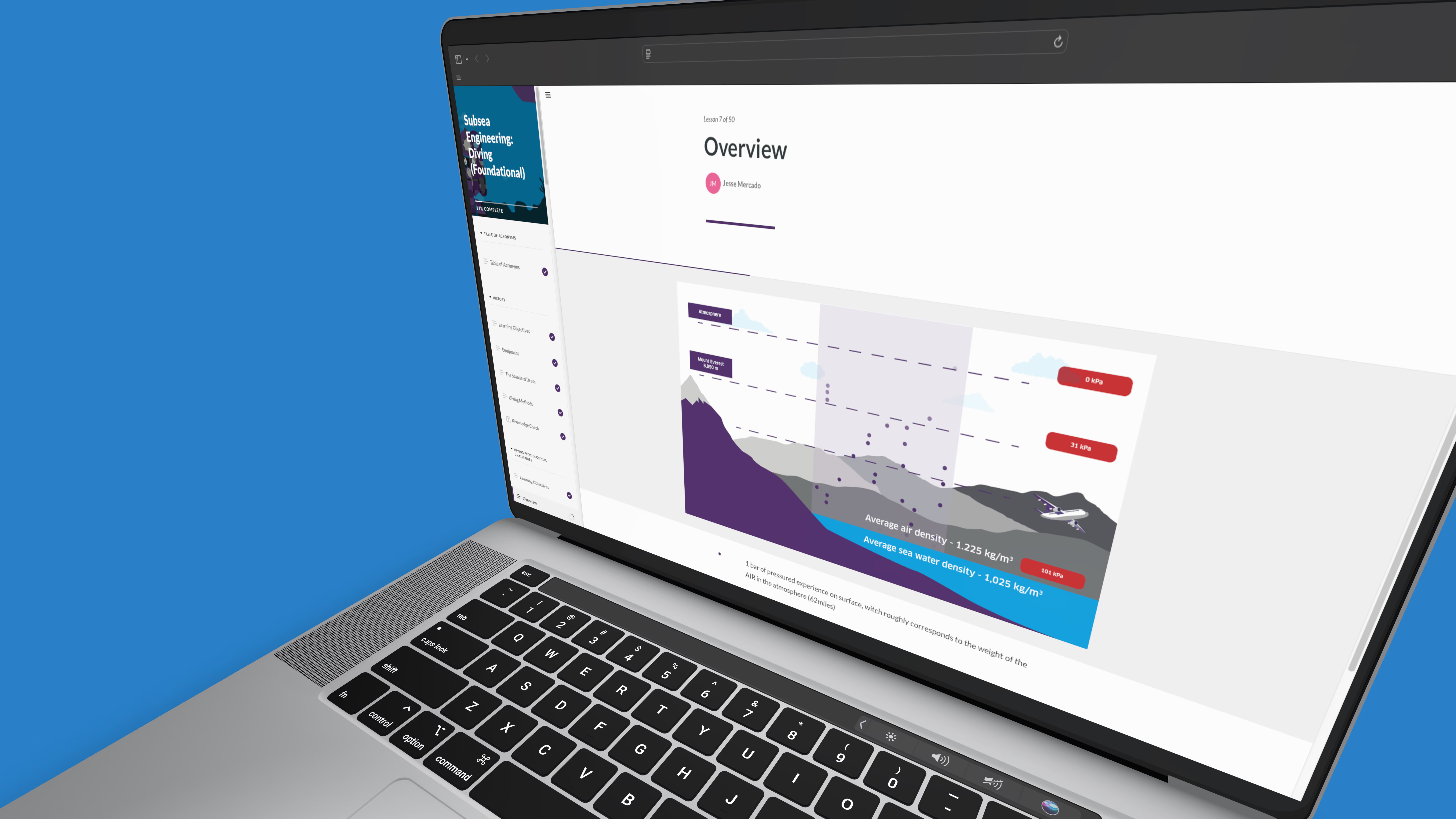
- Designed interactive modules using Articulate Storyline, incorporating custom graphics created with Photoshop and Illustrator.
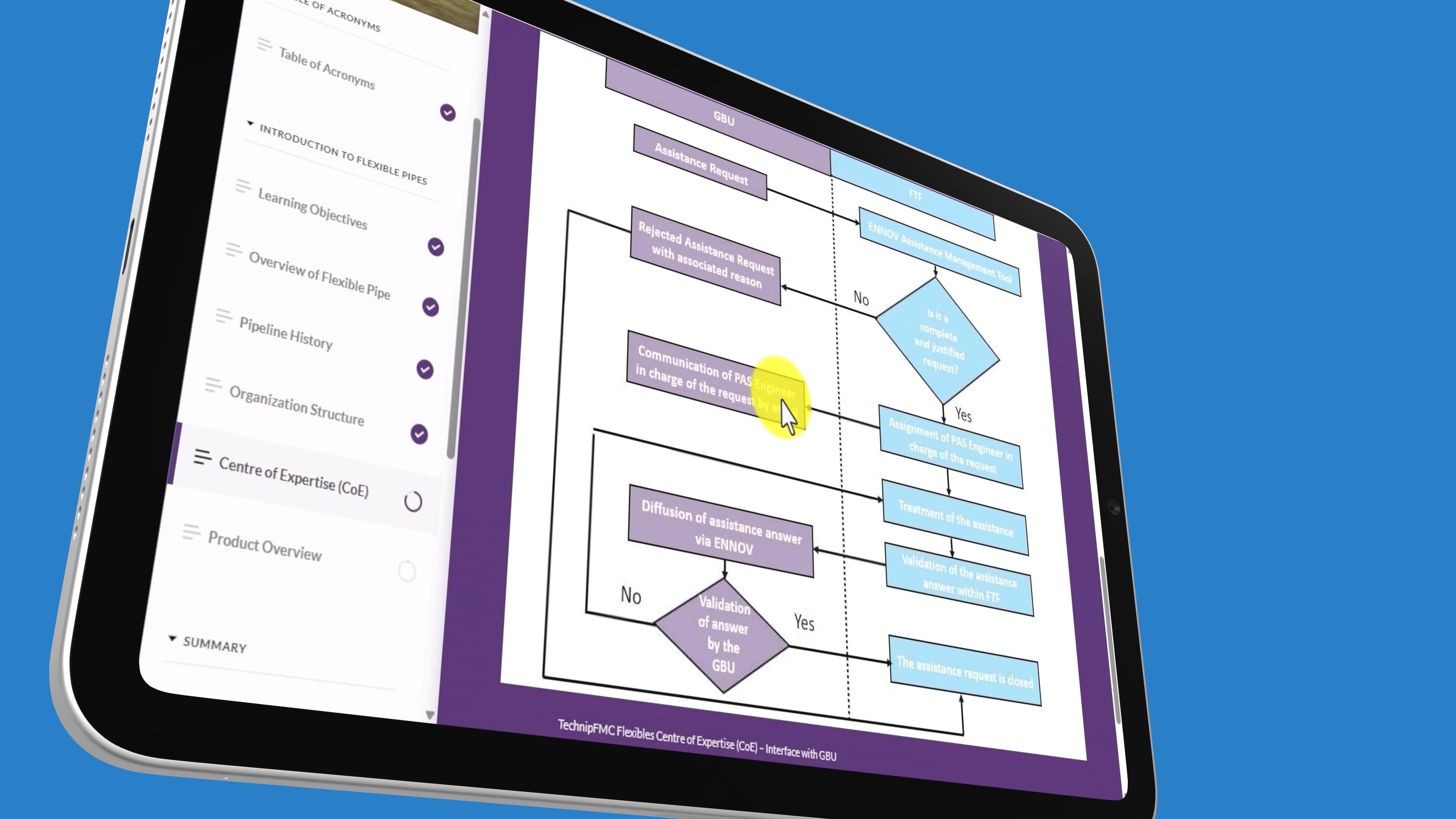
- Implemented interactive elements using Dreamweaver, enhanced with ActionScript and JavaScript to ensure a dynamic learning experience.
Key Highlights
Detailed Insights
Deep Dives
Learning Science
Applied cognitive load theory to balance the complexity of historical and technical content, ensuring it was digestible and retained effectively.
2
Creative Rationale
Goal
Challenges
Process
Impact and Results
Measurable Outcomes
Takeaways
1
The brief
Goal
Successfully launch an engaging and comprehensive foundational course on subsea diving within 8 weeks that achieves a learner engagement rate of over 85%. Ensure the course enhances learners' understanding of diving history and technology with at least 90% passing scores on post-course assessments.
Challenges
- Managing a restricted budget and tight timeline while needing to cover an extensive range of historical and technical content.
- Ensuring the course is both comprehensive and engaging to cater to a technically oriented audience.
Learning Objectives
- Equip learners with a thorough understanding of the history and fundamental concepts of commercial diving in subsea engineering.
- Enable learners to identify key historical figures and understand their contributions to diving technology.
Learning Science
Applied cognitive load theory to balance the complexity of historical and technical content, ensuring it was digestible and retained effectively.
Learning Methodolgy
Employed the ADDIE instructional design model to systematically develop the course content from analysis through to evaluation, ensuring educational effectiveness and learner satisfaction.
Process
- Initiated with detailed research to gather content on the history and technology of diving.
- Designed interactive modules using Articulate Storyline, incorporating custom graphics created with Photoshop and Illustrator.
- Implemented interactive elements using Dreamweaver, enhanced with ActionScript and JavaScript to ensure a dynamic learning experience.
Impact and Results
The course significantly enhanced TechnipFMC’s training program by providing employees with a robust understanding of diving operations, evidenced by high engagement and positive feedback.
Measurable Outcomes
- Achieved a completion rate of 85% within the first three months of launch.
- Post-course evaluation showed that 90% of participants passed the assessments, confirming effective learning transfer.
Takeaways
- Effective integration of historical context can greatly enhance the understanding and appreciation of current practices in a technical field.
- High-quality graphic design and interactivity are critical in translating complex technical information into an engaging learning experience.
Accessibility & inclusion
Ensured the course met accessibility standards by incorporating features such as text-to-speech options, alternative text for all images, and navigational aids that support diverse learning needs.