
Compensation Oracle GPT
- Role
Sole Developer, Researcher, Designer
- Duration
20 months / 2021–2025
- Tools
OpenAI GPT technology, UX/UI design tools, accessibility testing tools

Motion Defines Hierarchy
Hero Choreography
Album Card Motion System
System at rest

Contextual Depth & Focus Priority
predictive path & system awareness
Motion System Breakdown
Reel

.jpg)





1
Build Overview

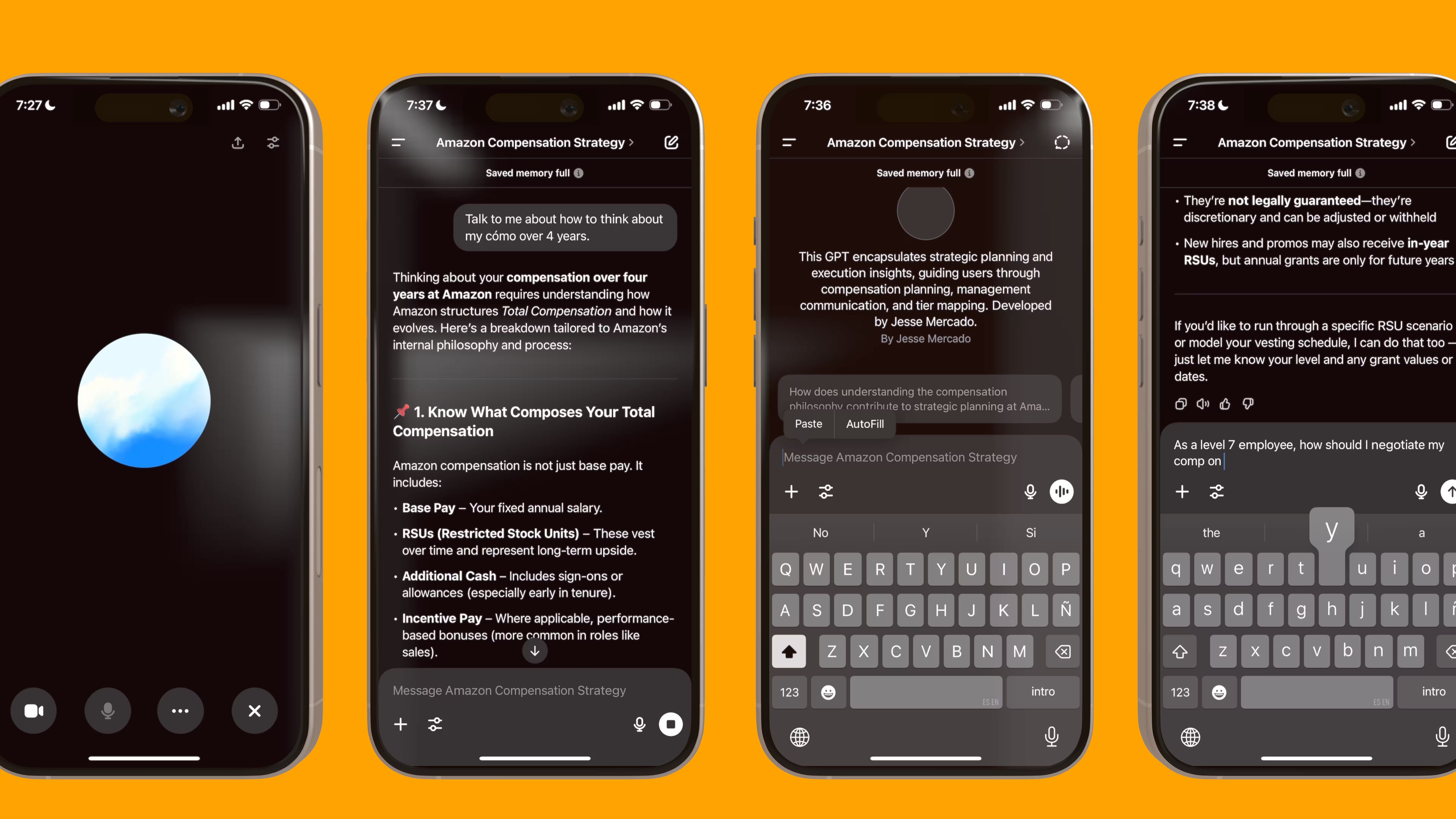

2
Creative Rationale
Goal
Empower Amazon employees and candidates to make informed career and compensation decisions by translating intricate data into clear, user-friendly experiences.
Process
- Conducted thorough research and analysis of Amazon’s compensation practices over 20 months.
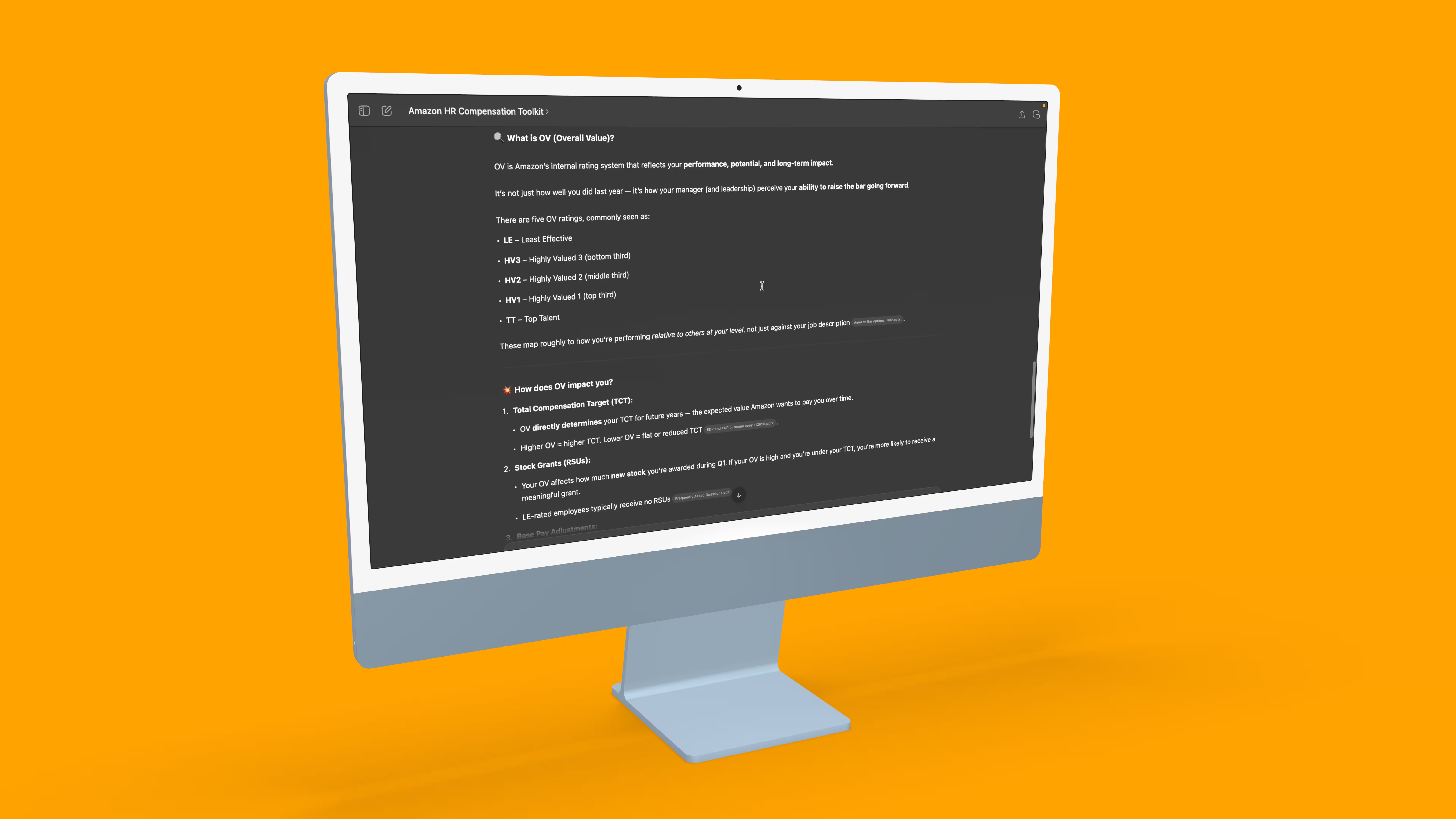
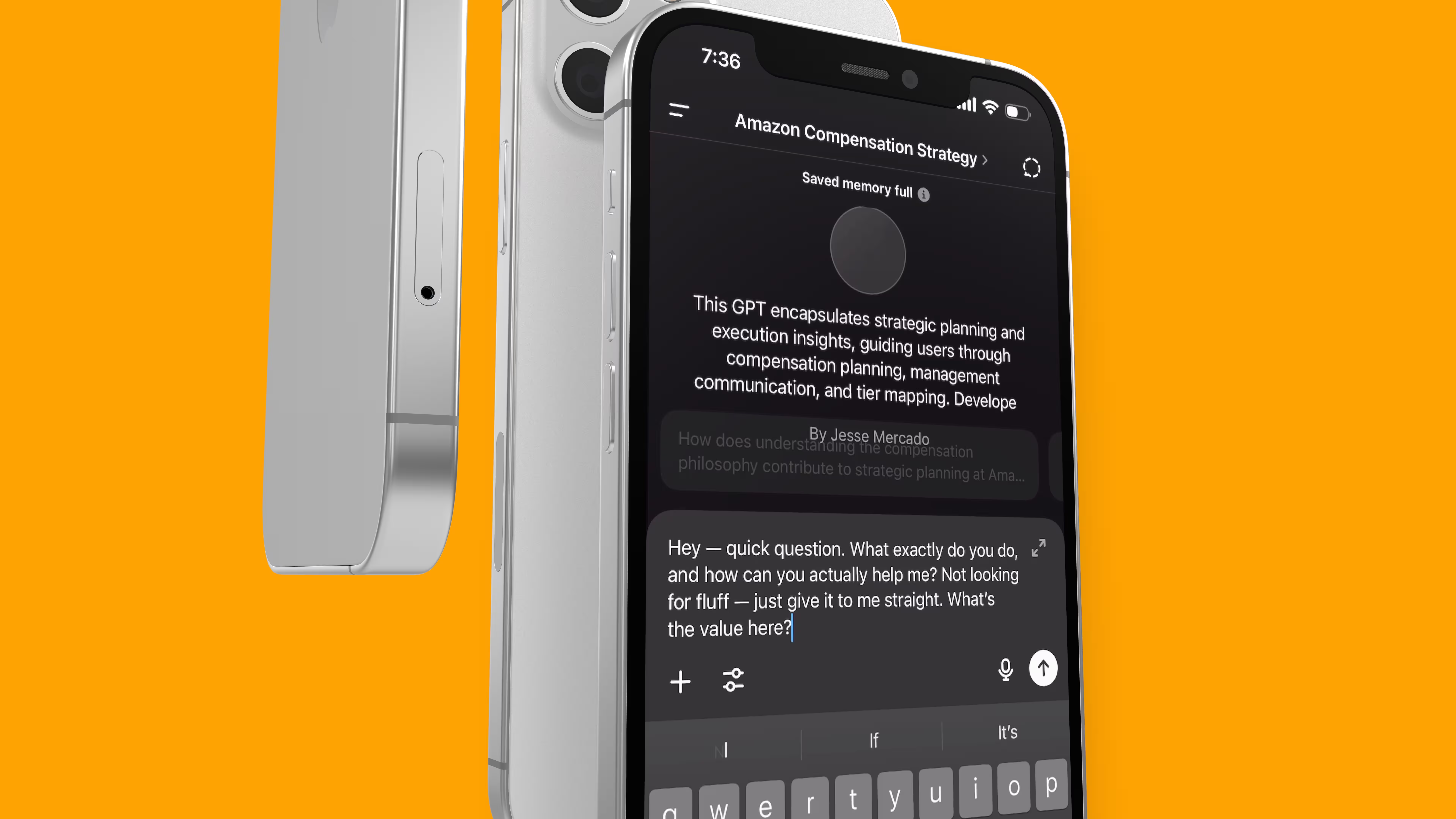
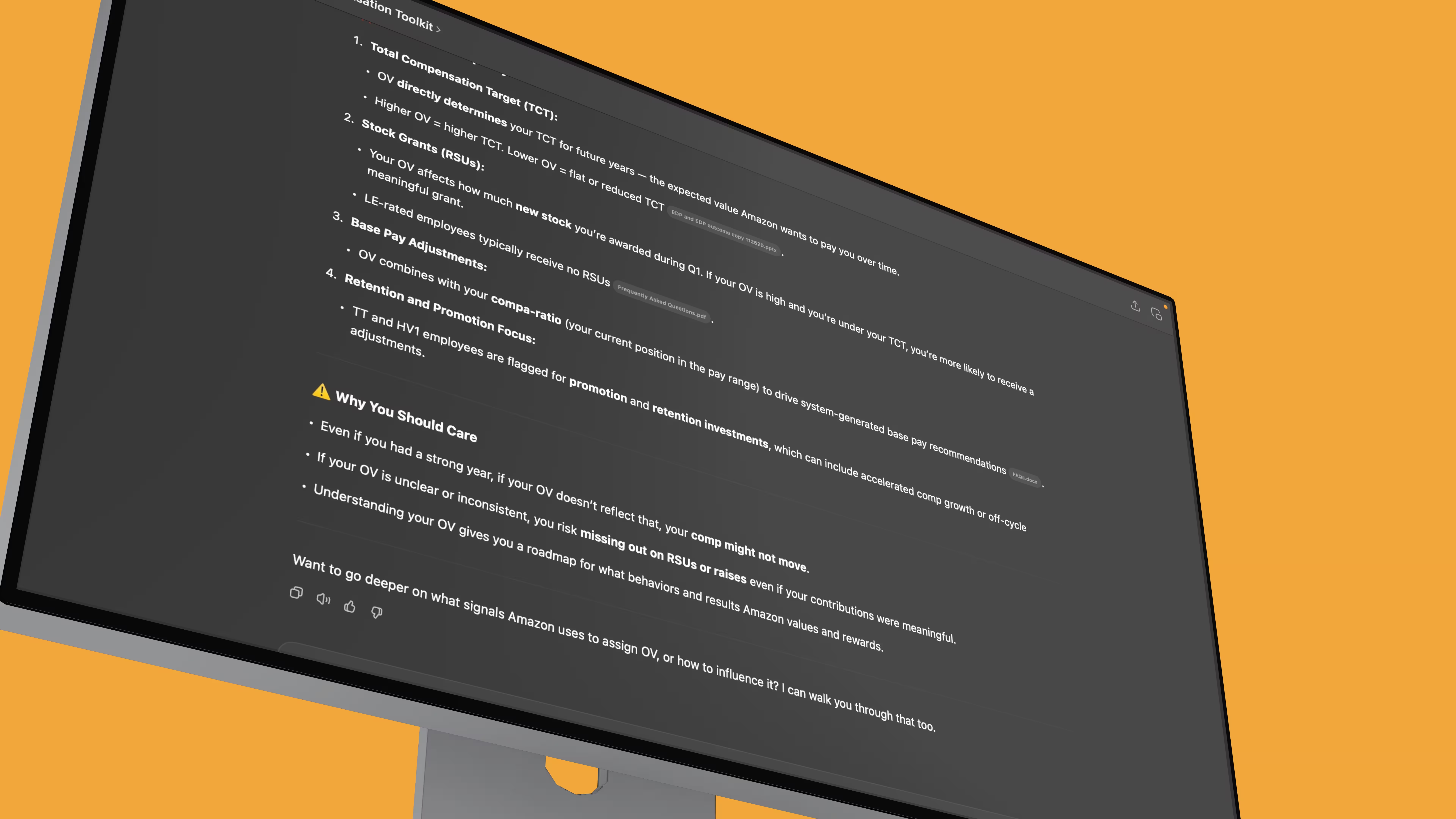
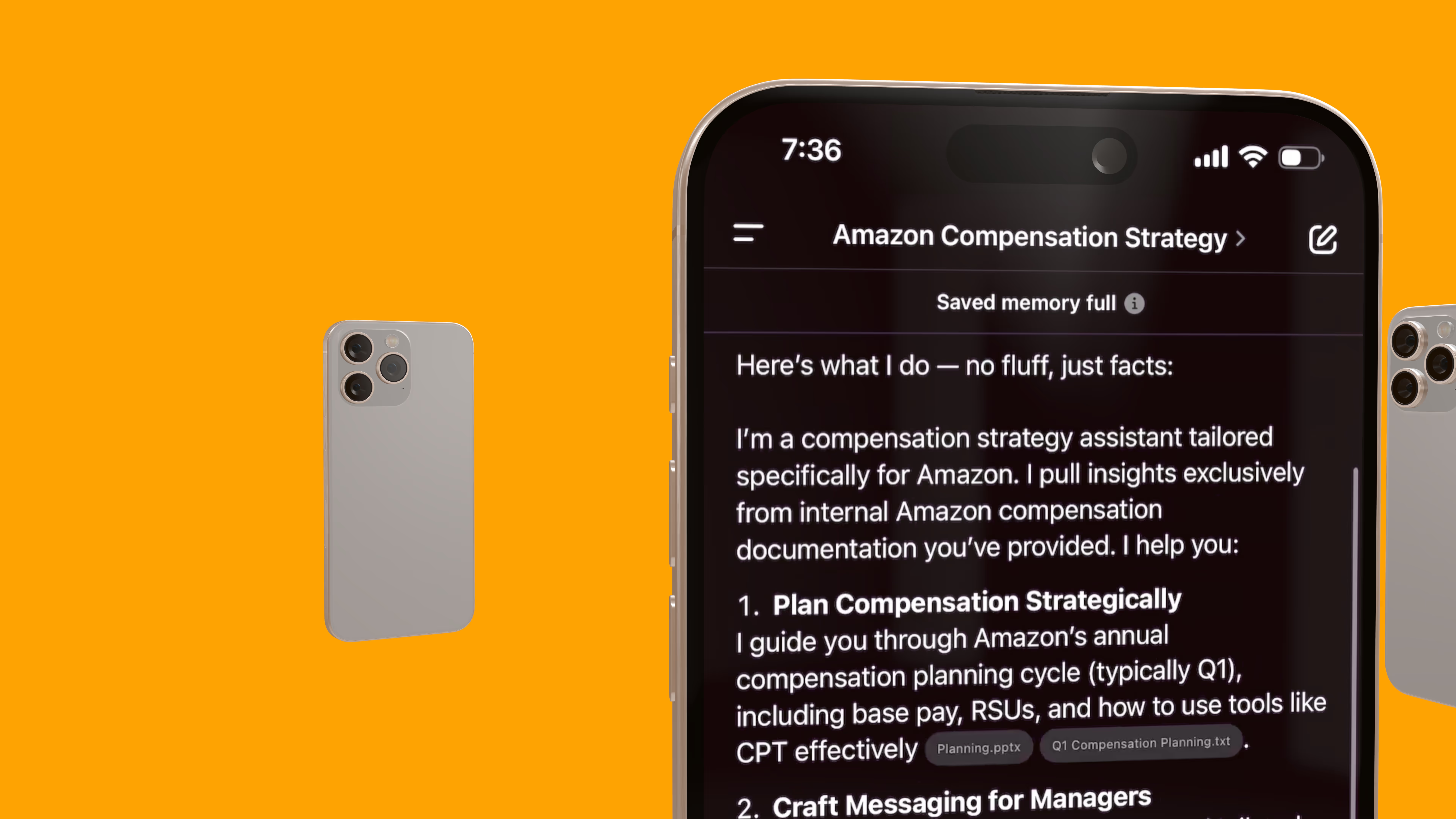
- Developed six specialized GPTs, each tailored to a distinct aspect of compensation management: career development, compensation analysis, management essentials, optimization, strategy, and HR toolkit.
- Applied iterative testing and user feedback to ensure a dynamic, intuitive, and impactful experience.
Key Highlights
Purpose
Transform Amazon’s complex compensation data into a holistic, AI-powered tool that delivers clarity and actionable insights.
Scope
Synthesizes internal data and research to create a streamlined experience for users.
Impact
Achieved 85% user satisfaction and redefined the standard for personalized HR solutions.
Detailed Insights
Deep Dives
Challenges
Learning Objectives
Accessibility and Inclusion
Takeaways
Learning Science
The Compensation Oracle applies cognitive load theory to create intuitive interfaces that simplify complex compensation data and reduce decision fatigue. By structuring content for clarity and chunking information effectively, the platform helps users absorb and apply insights efficiently. This ensures that employees and candidates can navigate dense compensation topics with ease, enhancing engagement and promoting informed decision-making.
2
Creative Rationale
Goal
Challenges
Process
Impact and Results
Measurable Outcomes
Takeaways
1
The brief
Goal
Empower Amazon employees and candidates to make informed career and compensation decisions by translating intricate data into clear, user-friendly experiences.
Challenges
Learning Objectives
Learning Science
The Compensation Oracle applies cognitive load theory to create intuitive interfaces that simplify complex compensation data and reduce decision fatigue. By structuring content for clarity and chunking information effectively, the platform helps users absorb and apply insights efficiently. This ensures that employees and candidates can navigate dense compensation topics with ease, enhancing engagement and promoting informed decision-making.
Learning Methodolgy
Process
- Conducted thorough research and analysis of Amazon’s compensation practices over 20 months.
- Developed six specialized GPTs, each tailored to a distinct aspect of compensation management: career development, compensation analysis, management essentials, optimization, strategy, and HR toolkit.
- Applied iterative testing and user feedback to ensure a dynamic, intuitive, and impactful experience.
Impact and Results
Measurable Outcomes
Takeaways
Accessibility & inclusion

3
Results









Compensation Oracle GPT


